




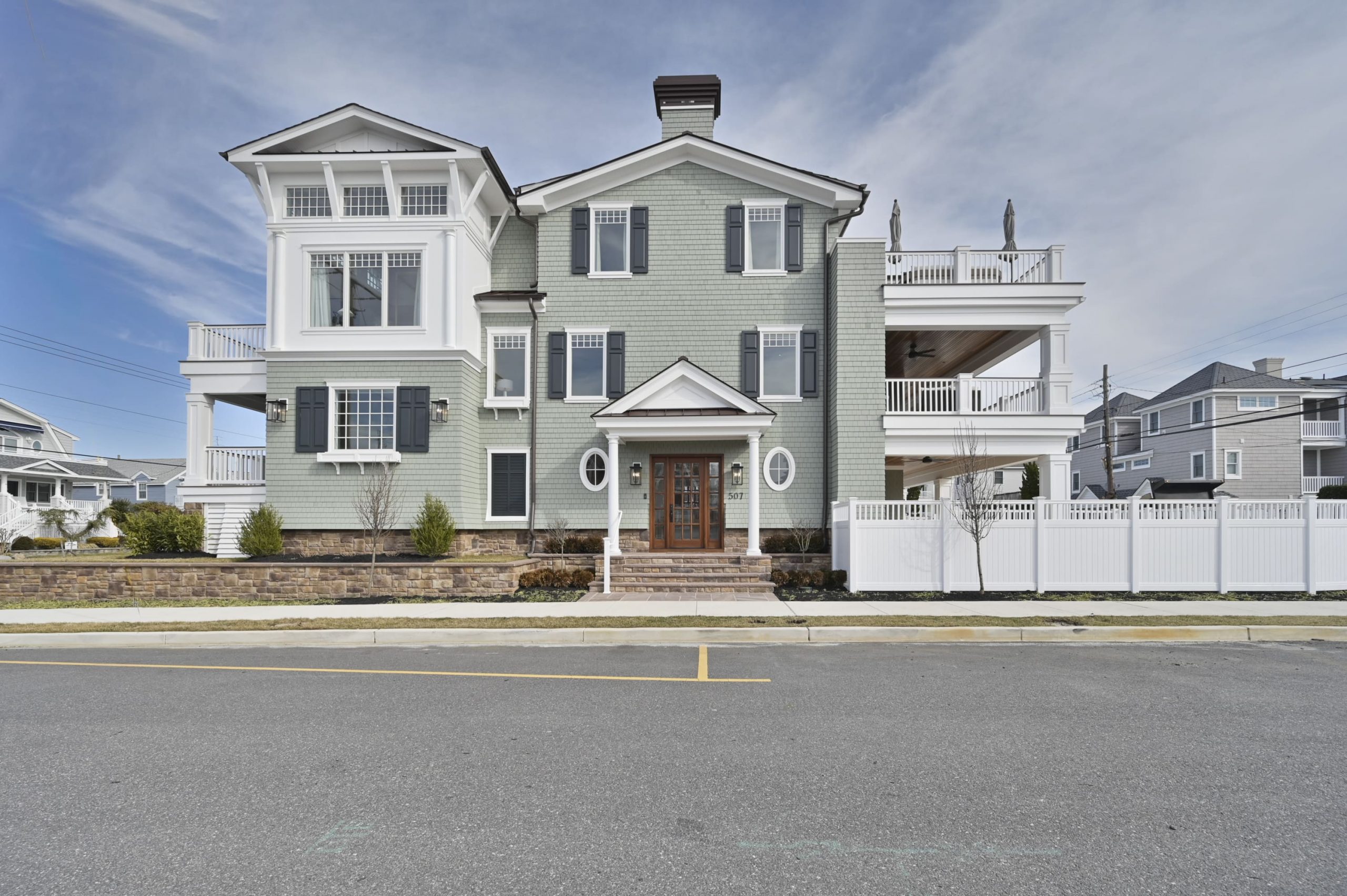
Building a home along the Jersey Shore offers an opportunity to enjoy coastal living, beautiful surroundings, and a home designed around your lifestyle. However, new construction near the coast requires more than choosing an attractive floor plan and exterior finishes.
From salt air and strong winds to flood zone requirements and material durability, coastal properties present unique considerations that should be addressed before construction begins.
Whether you’re planning a custom home in Ocean City, Margate, Longport, Ventnor, or another South Jersey community, thoughtful planning can help create a home that combines architectural appeal, everyday comfort, and long-term performance.
1. Understand the Coastal Environment Before Building
Homes near the Jersey Shore face environmental conditions that can affect their construction and maintenance.
Salt air, moisture, heavy rainfall, strong winds, and occasional coastal storms can place additional demands on building materials and structural components.
Before finalizing a design, homeowners should consider the property’s exposure to these conditions.
For example, a home located directly along the waterfront may have different construction requirements than one situated farther inland.
Working with qualified local construction professionals can help ensure the design and materials are appropriate for the property’s location.
2. Consider Elevation and Flood Zone Requirements
One of the most important aspects of coastal new construction is understanding the property’s flood risk.
Certain Jersey Shore properties are located within designated flood hazard areas, where building elevation and foundation requirements may apply.
Depending on the location and applicable regulations, a new home may require an elevated foundation or other flood-resistant construction features.
Before construction begins, homeowners should review:
-
FEMA flood zone designations.
-
Local zoning and building requirements.
-
Required building elevations.
-
Foundation and drainage considerations.
-
Applicable flood-resistant construction standards.
Addressing these requirements early can help avoid costly design changes later in the project.
3. Choose Exterior Materials That Can Handle Coastal Conditions
The materials used on a coastal home should be selected for both appearance and durability.
While traditional coastal architecture often features light-colored siding, expansive windows, and welcoming porches, these design elements must also withstand the local environment.
For example:
Siding: Fiber cement and certain engineered siding products may offer suitable options when installed according to manufacturer specifications.
Roofing: Roof assemblies should be selected and installed with local wind exposure and applicable building codes in mind.
Windows and doors: Products with appropriate wind resistance, water performance, and corrosion-resistant components are important considerations.
Exterior hardware: Fasteners, connectors, and other exposed metal components should be suitable for coastal environments to reduce corrosion risks.
Choosing compatible materials and installation systems can help minimize maintenance concerns over time.
4. Design Outdoor Spaces Around Coastal Living
One of the biggest advantages of building a custom home near the shore is the opportunity to incorporate outdoor living into the design.
Covered porches, elevated decks, balconies, and outdoor seating areas can create additional spaces for relaxing and entertaining.
When planning these features, consider how the property receives sunlight, prevailing winds, and available views.
A covered porch, for example, can provide a comfortable shaded area during warmer months, while thoughtfully positioned windows and doors can create a convenient connection between indoor and outdoor spaces.
Outdoor structures should also be designed with appropriate drainage, weather-resistant materials, and structural connections.
5. Plan Windows and Natural Light Carefully
Large windows are a defining feature of many luxury coastal homes.
They can bring natural light into living areas, frame outdoor views, and create a more open atmosphere.
However, window placement should balance aesthetics with energy efficiency, privacy, and weather exposure.
Homeowners may want to consider energy-efficient glazing, suitable frame materials, and shading strategies that help manage solar heat gain.
In locations subject to windborne-debris requirements, impact-rated glazing or approved protection may also be necessary.
Planning these details during the design phase helps ensure that windows contribute to both the appearance and performance of the home.
6. Think About Long-Term Maintenance
A newly constructed coastal home should be designed with future maintenance in mind.
Salt exposure, humidity, and changing weather conditions can affect exterior finishes, metal components, decks, and other building elements over time.
Selecting durable materials, ensuring proper water management, and providing access to components that require maintenance can make ongoing upkeep easier.
Homeowners should also consider manufacturer maintenance recommendations when selecting roofing, siding, windows, doors, and exterior fixtures.
A thoughtful approach to maintenance can help protect the home’s appearance and performance for years to come.
Frequently Asked Questions
Q. Do all new homes at the Jersey Shore need to be elevated?
A. No. Elevation requirements depend on the property’s flood zone, applicable building codes, and local regulations. A qualified professional can help determine the requirements for a specific lot.
Q. What exterior materials are suitable for coastal homes?
A. Fiber cement siding, appropriately specified roofing systems, corrosion-resistant hardware, and coastal-rated windows and doors are among the options worth considering. Suitability depends on the property’s exposure and product specifications.
Q. Are large windows practical in coastal homes?
A. Yes, provided they are selected and installed to meet the property’s structural, weather-resistance, and energy-efficiency requirements.
Q. When should homeowners start planning their coastal home design?
A. Ideally, planning should begin before purchasing a lot or finalizing architectural drawings. Reviewing zoning, flood risk, site conditions, and construction requirements early can help identify potential limitations.
Build Your Coastal Home With MW Construction
Building a home along the Jersey Shore requires careful attention to both architectural design and the demands of the coastal environment.
From planning the layout and selecting materials to coordinating construction details, every decision contributes to the home’s long-term performance and everyday comfort.
At MW Construction, we help South Jersey homeowners bring their new construction plans to life with an approach that considers design, functionality, and construction quality.
Whether you’re planning a custom home in Ocean City, Margate, Longport, Ventnor, or a nearby community, our team can help you explore your options.
Learn more about our New Construction Services or Request a Free Estimate to discuss your project.
 Facebook
 Linkedin
 Youtube
 mwconstruction123@gmail.com
 1500 New Road, Northfield, NJ 08225
 (609) 241-8231
 Licence No: 13VH03382800